The Little Albert Experiment: How Fear Is Learned

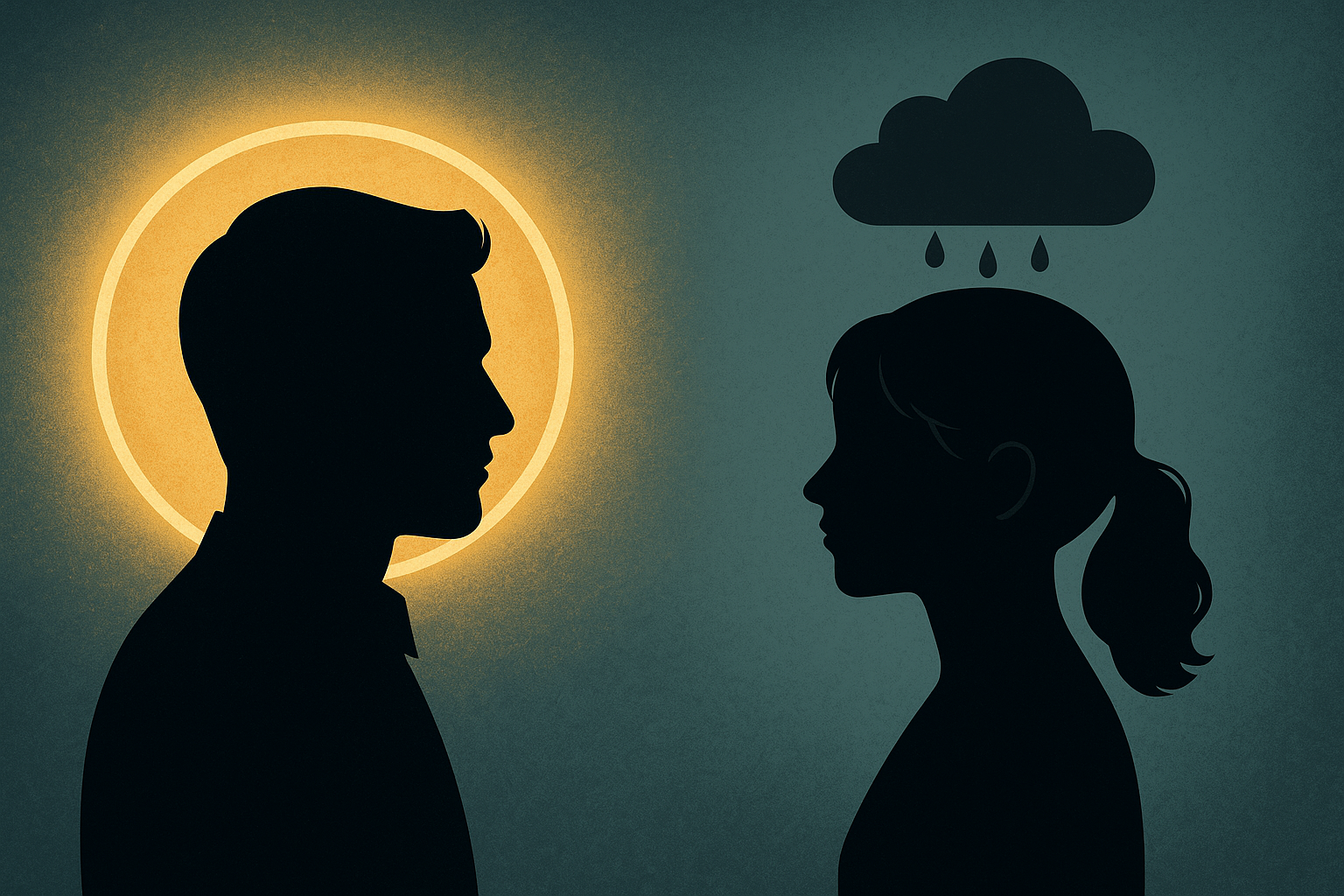
Who Was Little Albert? In 1920, psychologist John B. Watson and his assistant Rosalie Rayner conducted one of the most shocking experiments in the history of psychology: the Little Albert experiment. Albert was a baby only nine months old, calm and fearless. He showed no fear of animals or furry objects. He could pet a … Read more

The Marshmallow Experiment: Can a Sweet Predict Your Future?

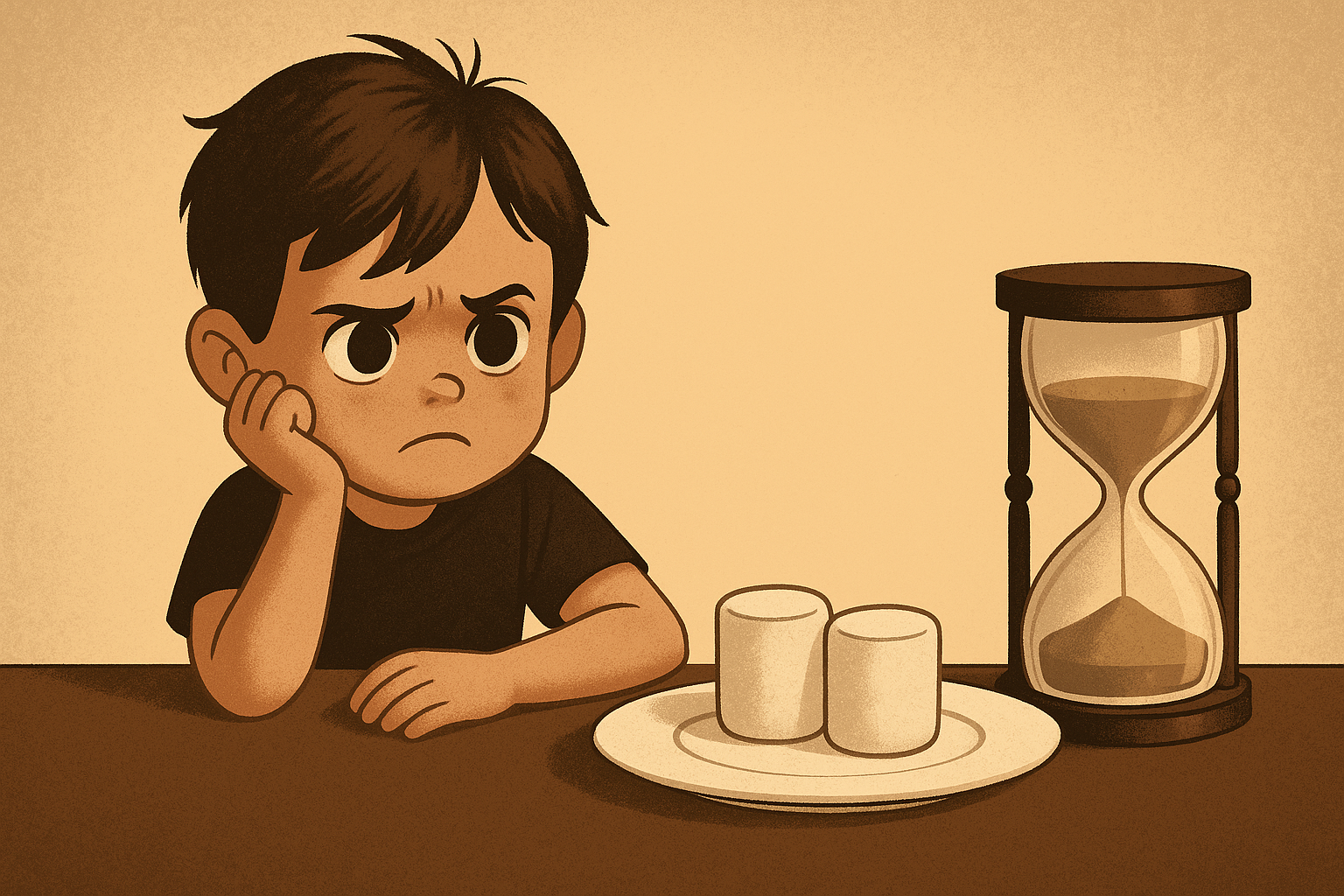
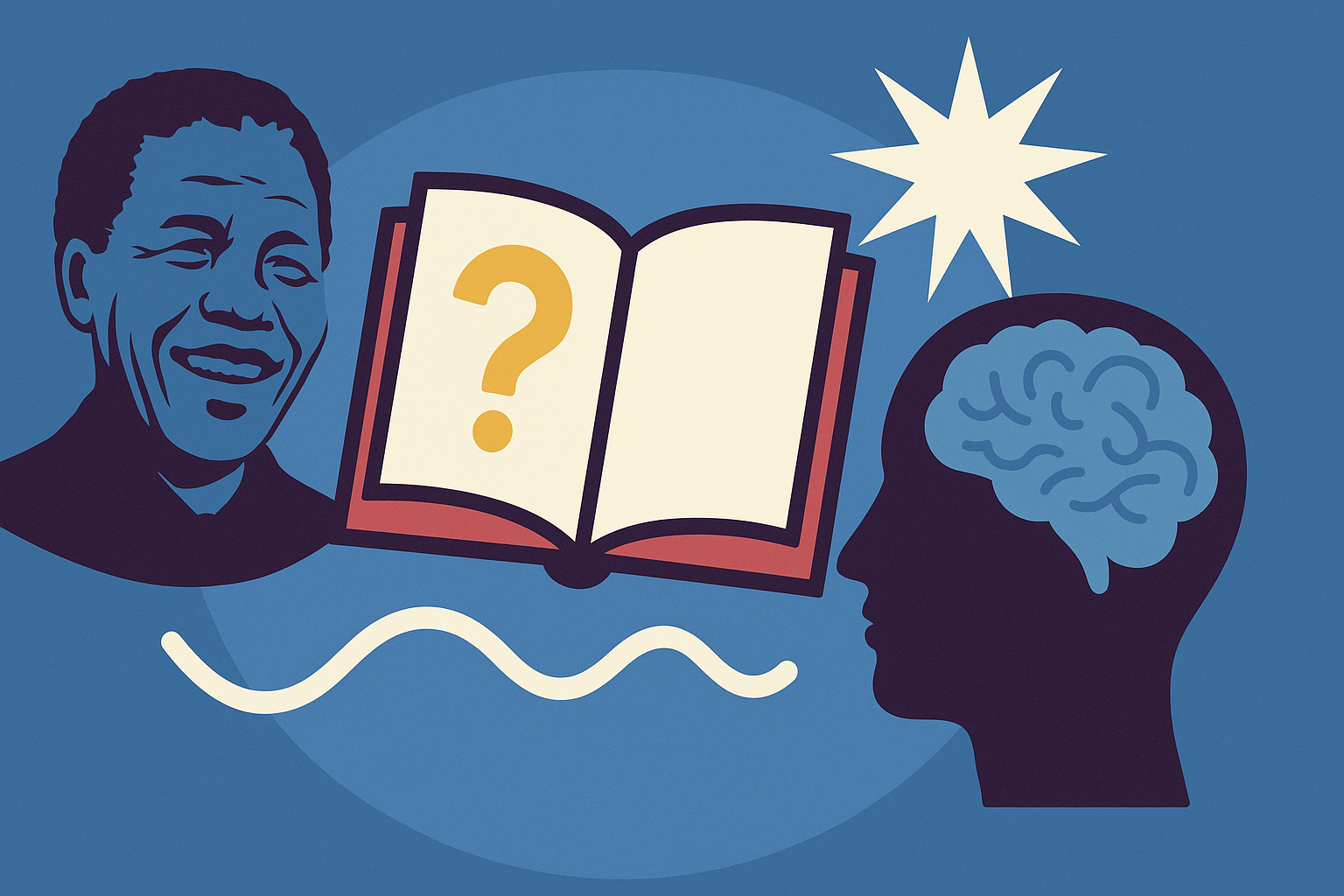
What is the Marshmallow Experiment Accept a small reward now or wait for a bigger one later? That simple choice, presented in an experiment with children and a marshmallow, became one of the most famous studies in psychology. Conducted in the 1960s by psychologist Walter Mischel at Stanford University, the Marshmallow Experiment aimed to measure self-control in … Read more

The Stanford Prison Experiment: When Power Changes People

An Experiment That Shook Psychology What would you do if you were given absolute power over another person? In 1971, psychologist Philip Zimbardo conducted one of the most famous—and most controversial—studies in psychology: the Stanford Prison Experiment. Ordinary college students were randomly assigned roles as guards or prisoners. Within just a few days, this “simulation” spiraled into a … Read more

Race and Intelligence: An Uncomfortable Topic in Psychology

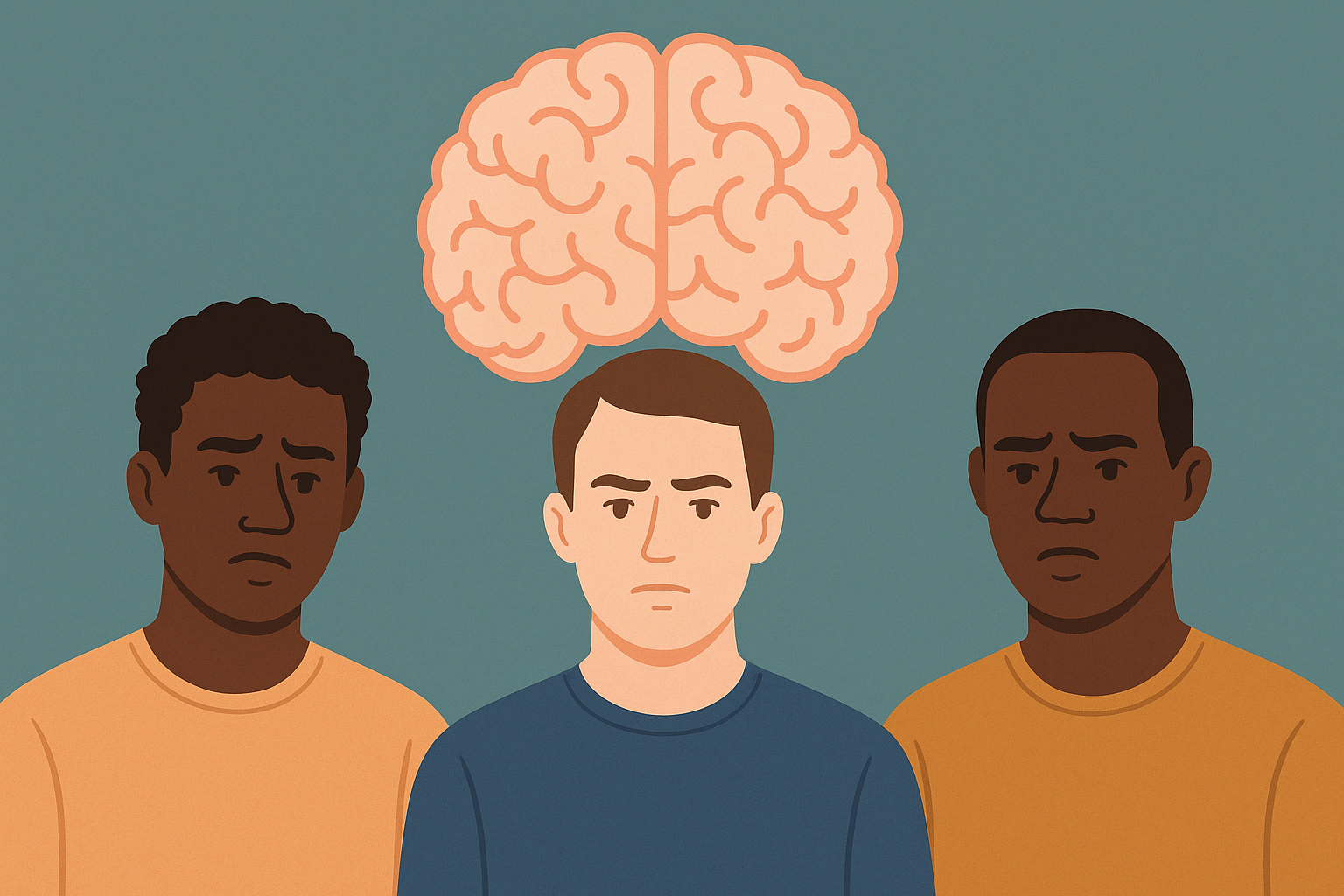
Do differences in intelligence exist between different populations? And if so, why? For decades, psychologists, anthropologists, and sociologists tried to answer this question. Many studies reported differences in average IQ scores across countries and cultures – yet today, this topic is rarely discussed openly in science. Why? Out of fear of misunderstanding, political misuse, or … Read more

Feeling Is Not Universal: How Culture Shapes Our Emotions

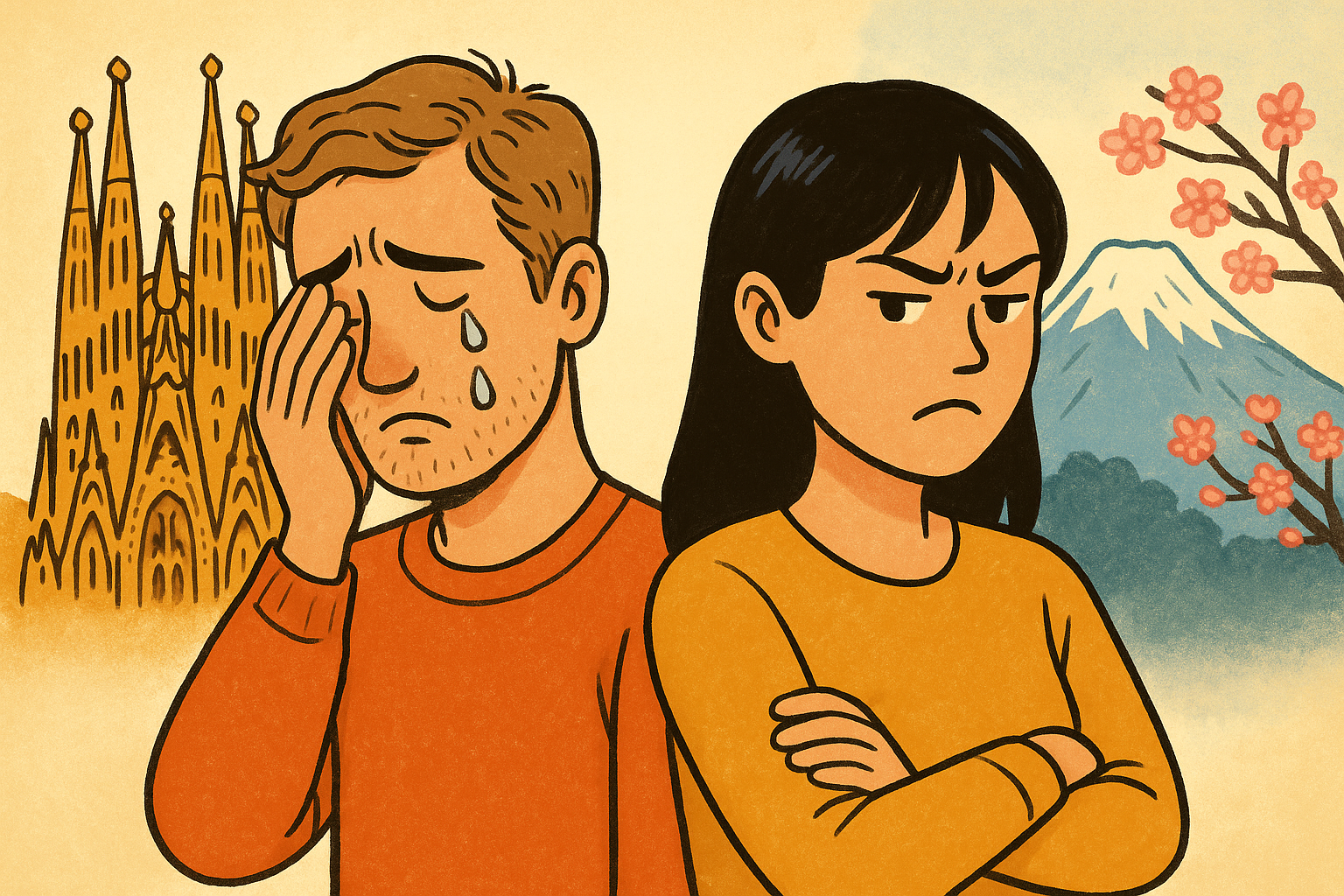
Have you ever wondered if sadness, anger, or joy mean the same thing everywhere in the world? Psychology shows us that emotions are not only biological, they are also culturally shaped. Are emotions really universal? Psychologist Paul Ekman discovered that certain facial expressions, like smiling or crying, are recognized worldwide. But researchers such as Hazel Markus, Shinobu … Read more