The Little Albert Experiment: How Fear Is Learned

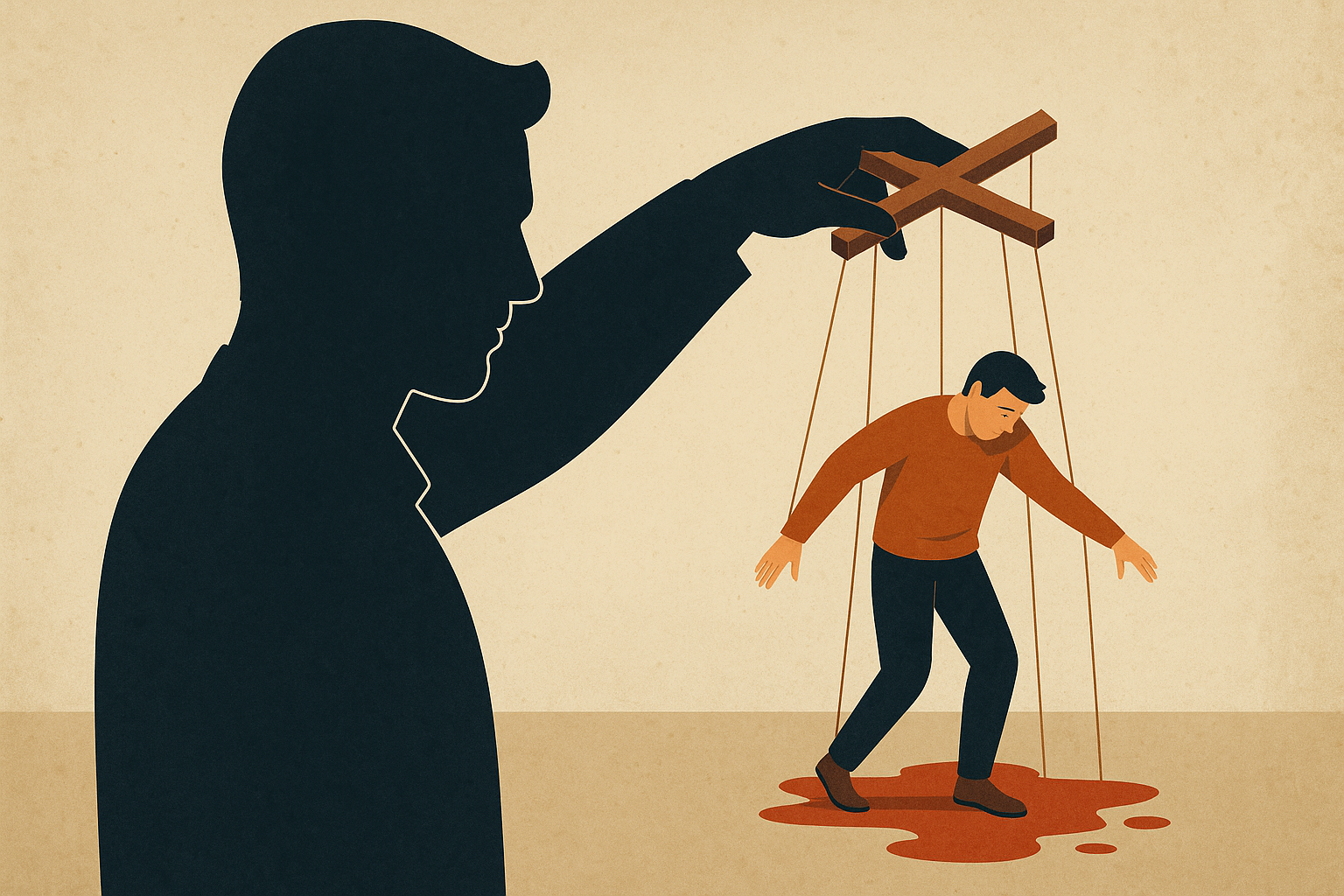
Who Was Little Albert? In 1920, psychologist John B. Watson and his assistant Rosalie Rayner conducted one of the most shocking experiments in the history of psychology: the Little Albert experiment. Albert was a baby only nine months old, calm and fearless. He showed no fear of animals or furry objects. He could pet a … Read more

The Stanford Prison Experiment: When Power Changes People

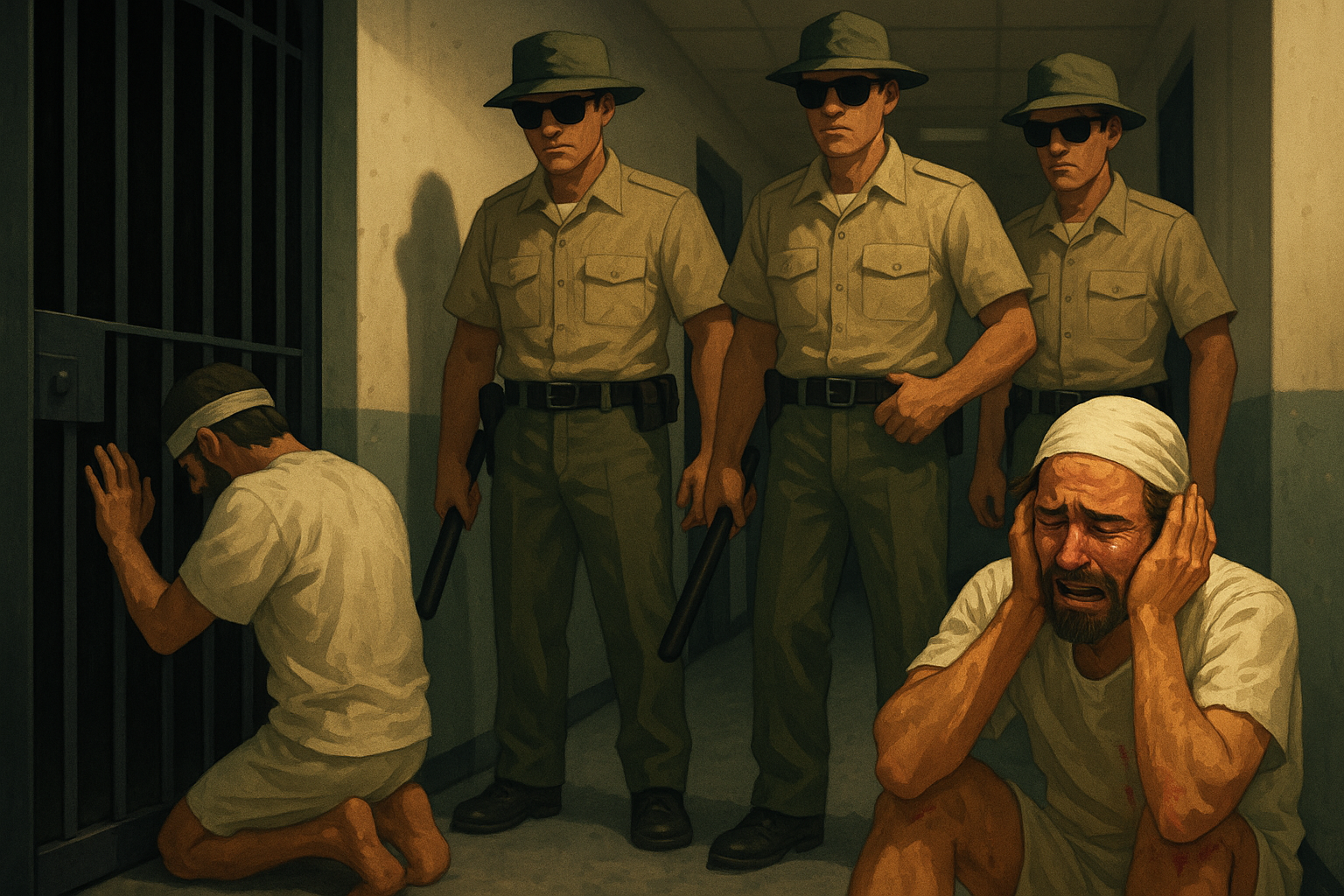
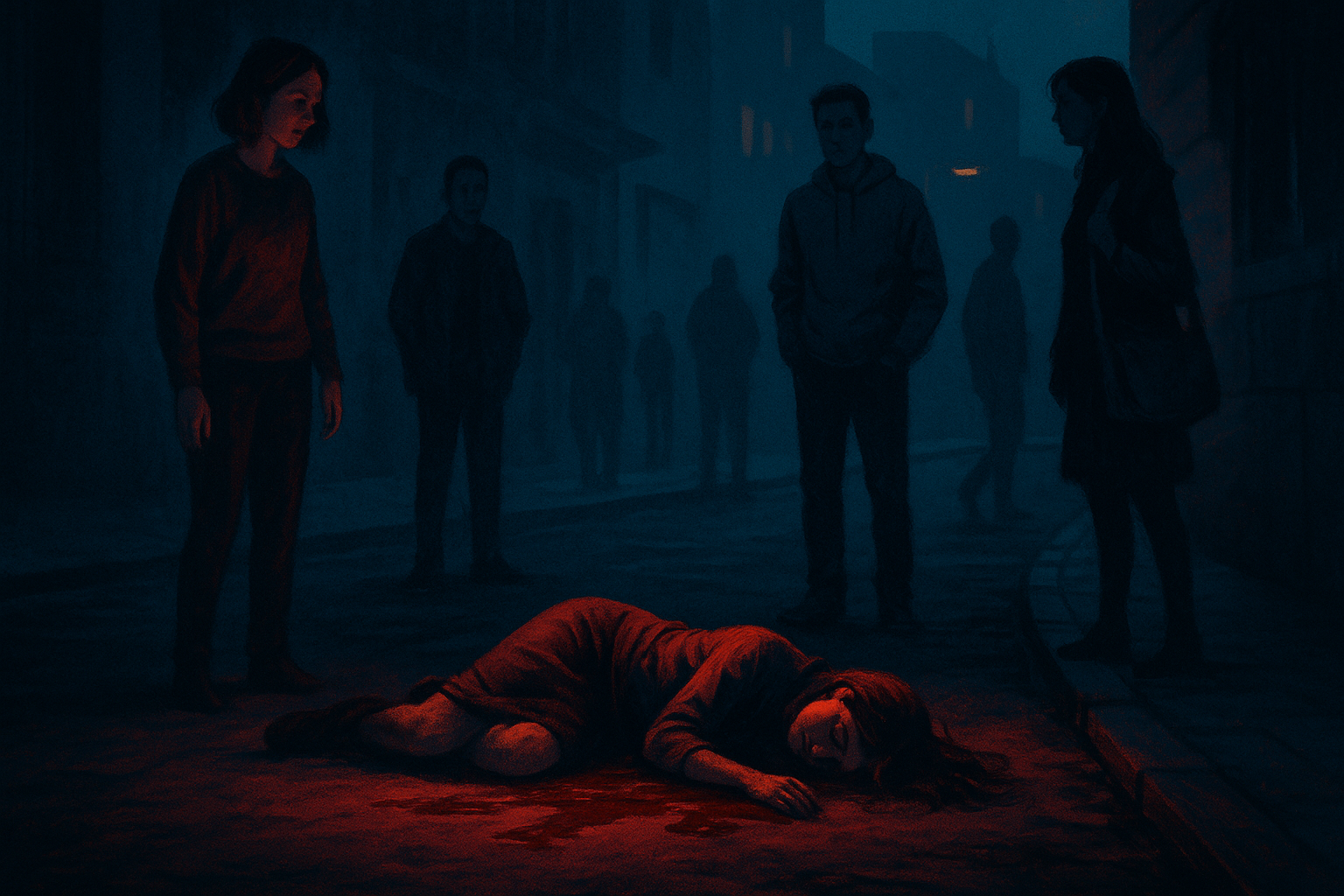
An Experiment That Shook Psychology What would you do if you were given absolute power over another person? In 1971, psychologist Philip Zimbardo conducted one of the most famous—and most controversial—studies in psychology: the Stanford Prison Experiment. Ordinary college students were randomly assigned roles as guards or prisoners. Within just a few days, this “simulation” spiraled into a … Read more

FOMO: Why We Constantly Fear Missing Out

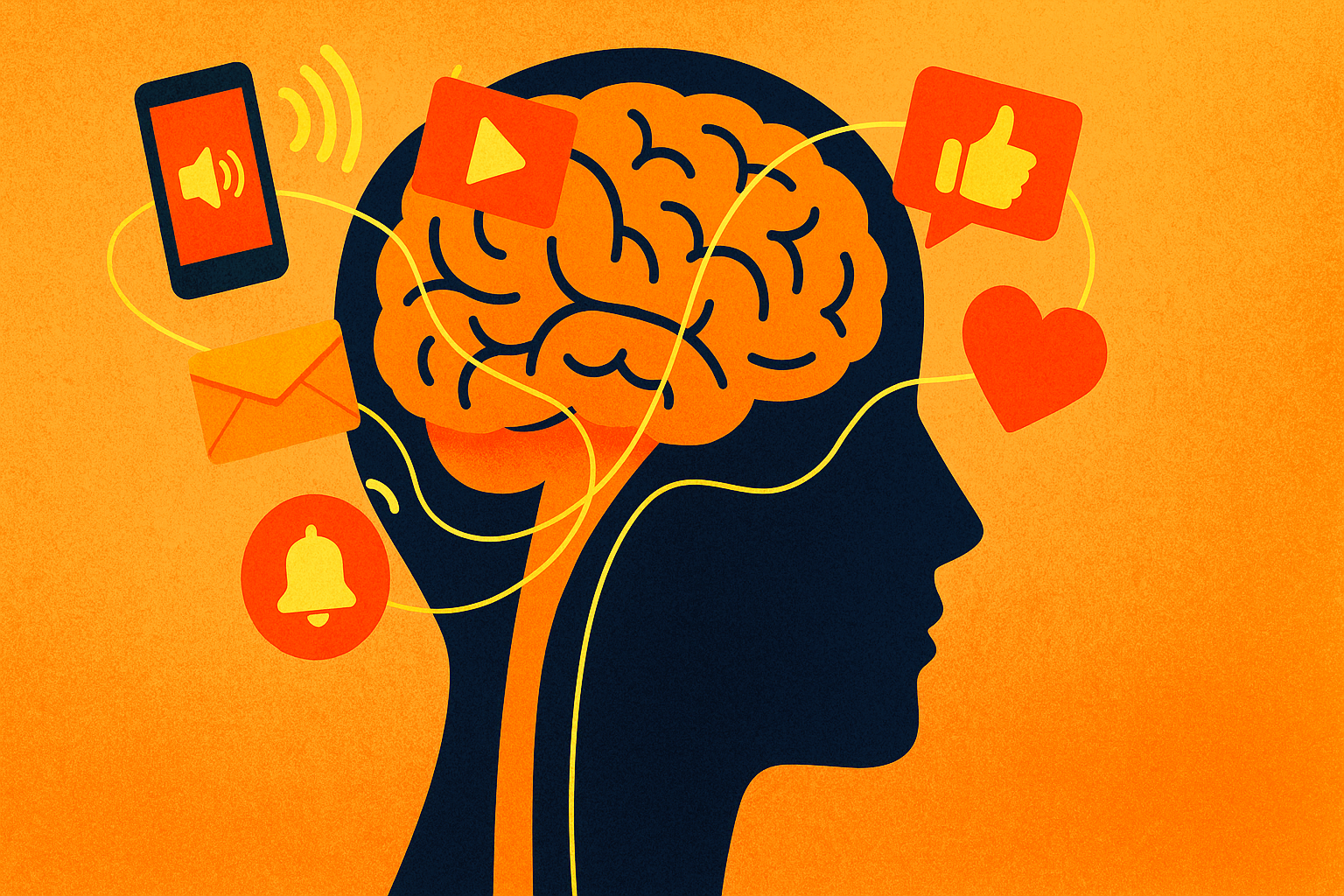
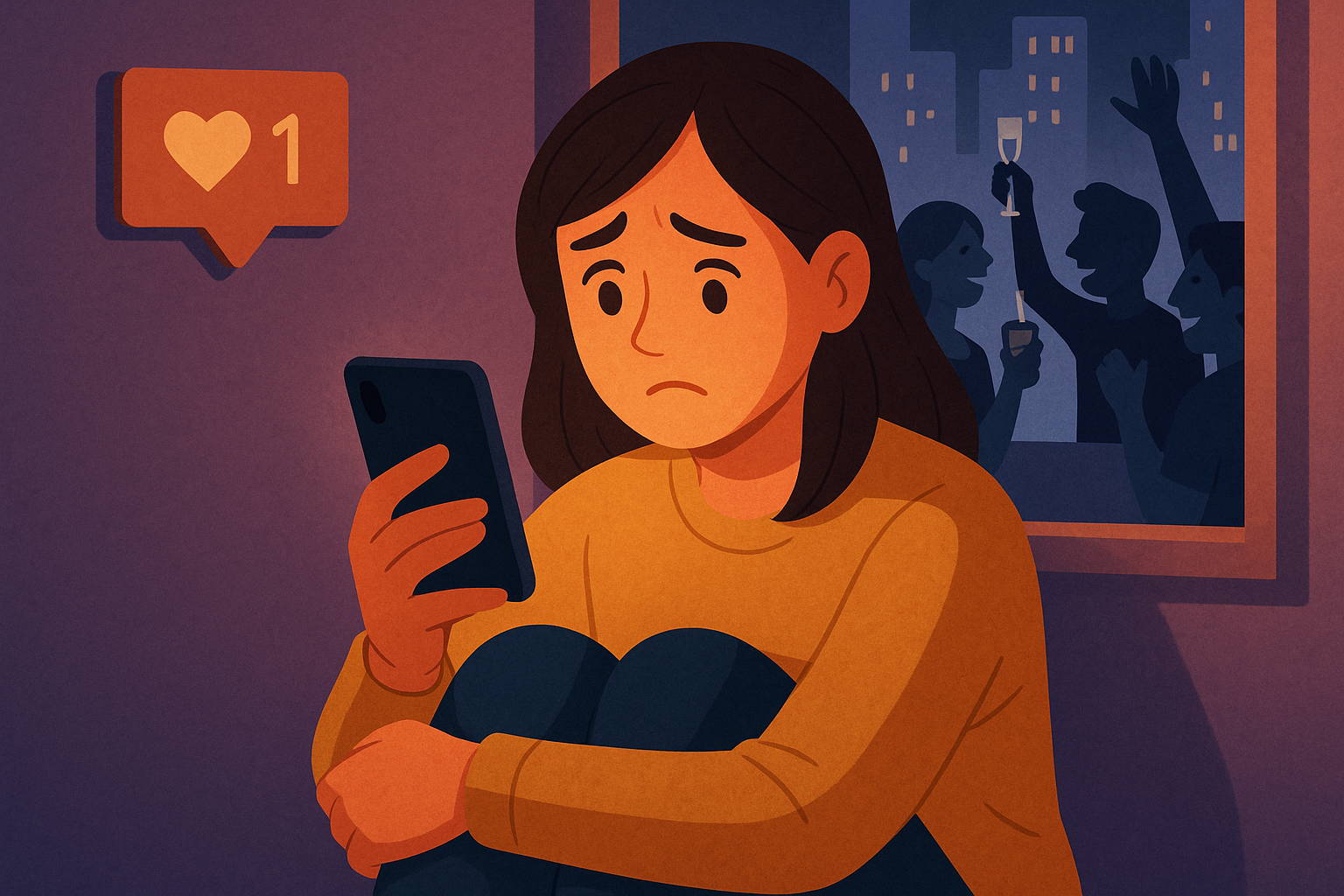
What FOMO Really Is Have you ever felt like you’re missing something important just because you’re not checking your phone? Or that everyone else is living amazing experiences while you’re just… here? That feeling has a name: FOMO – Fear of Missing Out. FOMO isn’t just a trendy expression. It’s a real form of anxiety that affects millions … Read more

Critical Periods in Development: The Windows That Shape Who We Are

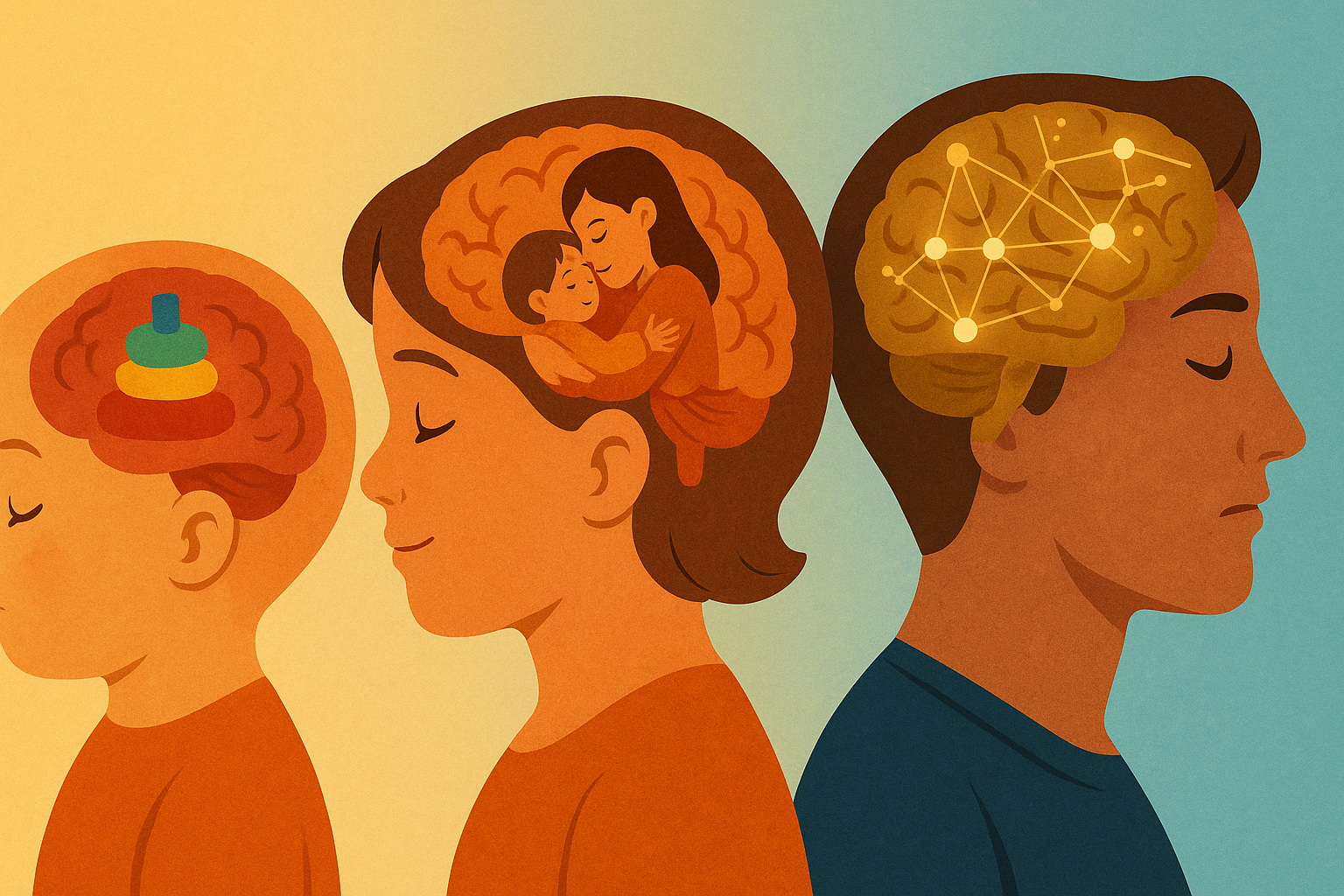
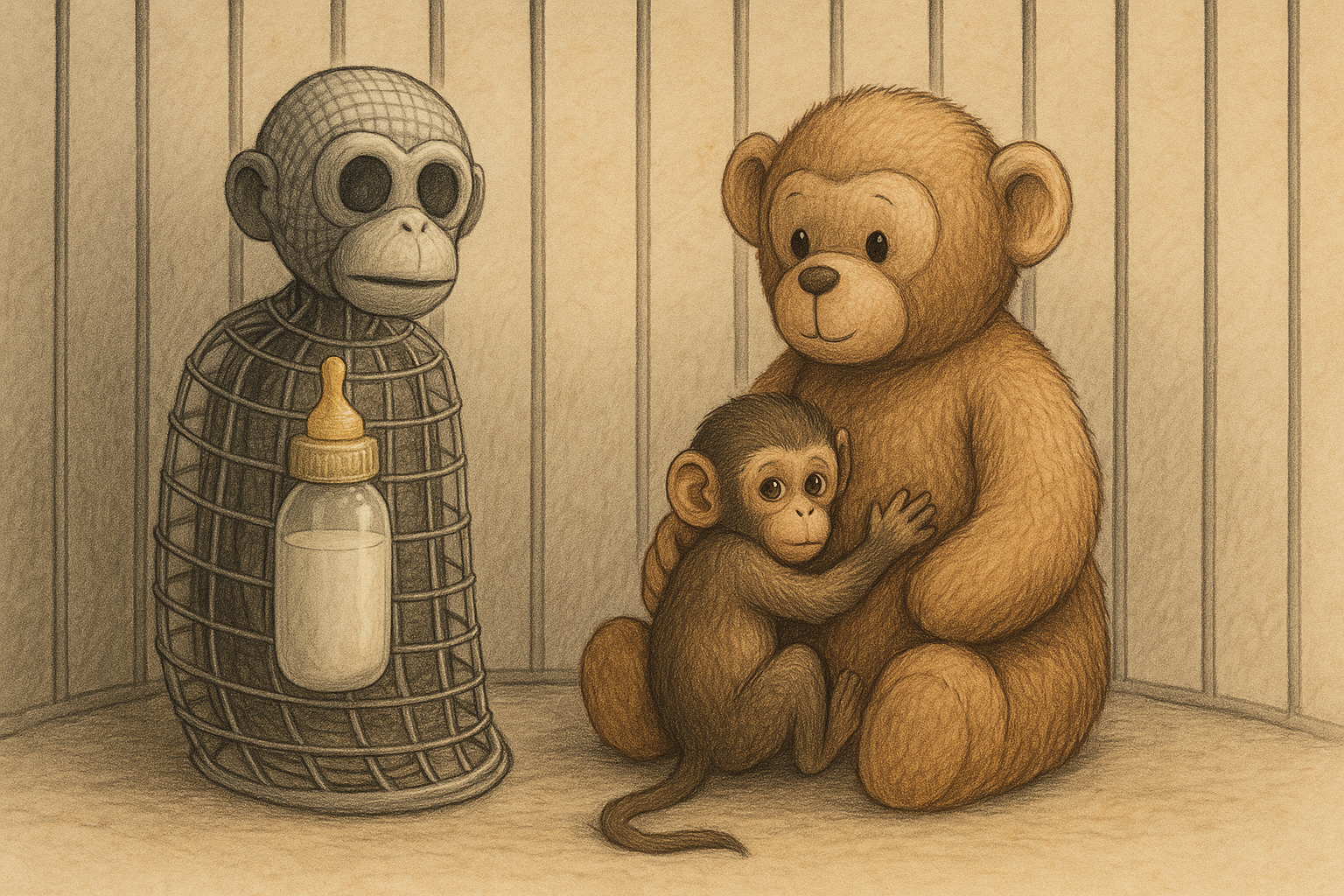
Have you ever wondered why some childhood experiences leave such a deep mark on us? Psychology and neuroscience tell us something fascinating: there are special windows in development — called critical periods and sensitive periods— in which the brain is especially open to learning. What is absorbed during those moments can last forever… and what is missed may … Read more