ADHD or just a brain on overload?
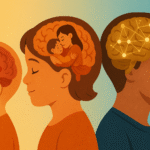
In recent years, ADHD has become one of the most talked-about topics on social media. Many people identify with symptoms such as distraction, lack of focus, or difficulty finishing tasks. But are we really all dealing with ADHD—or are we confusing a clinical disorder with the effects of living in a hyperconnected world?
What really is ADHD?
ADHD (Attention Deficit Hyperactivity Disorder) is a medical diagnosis. It usually appears in childhood and persists into adulthood, affecting multiple areas of life:
- Academic or work performance.
- Relationships with family and friends.
- Self-esteem and emotional regulation.
It is not just about being distracted or restless; it’s a neurological condition that requires professional evaluation.
Overstimulation: the modern trap for attention
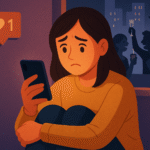
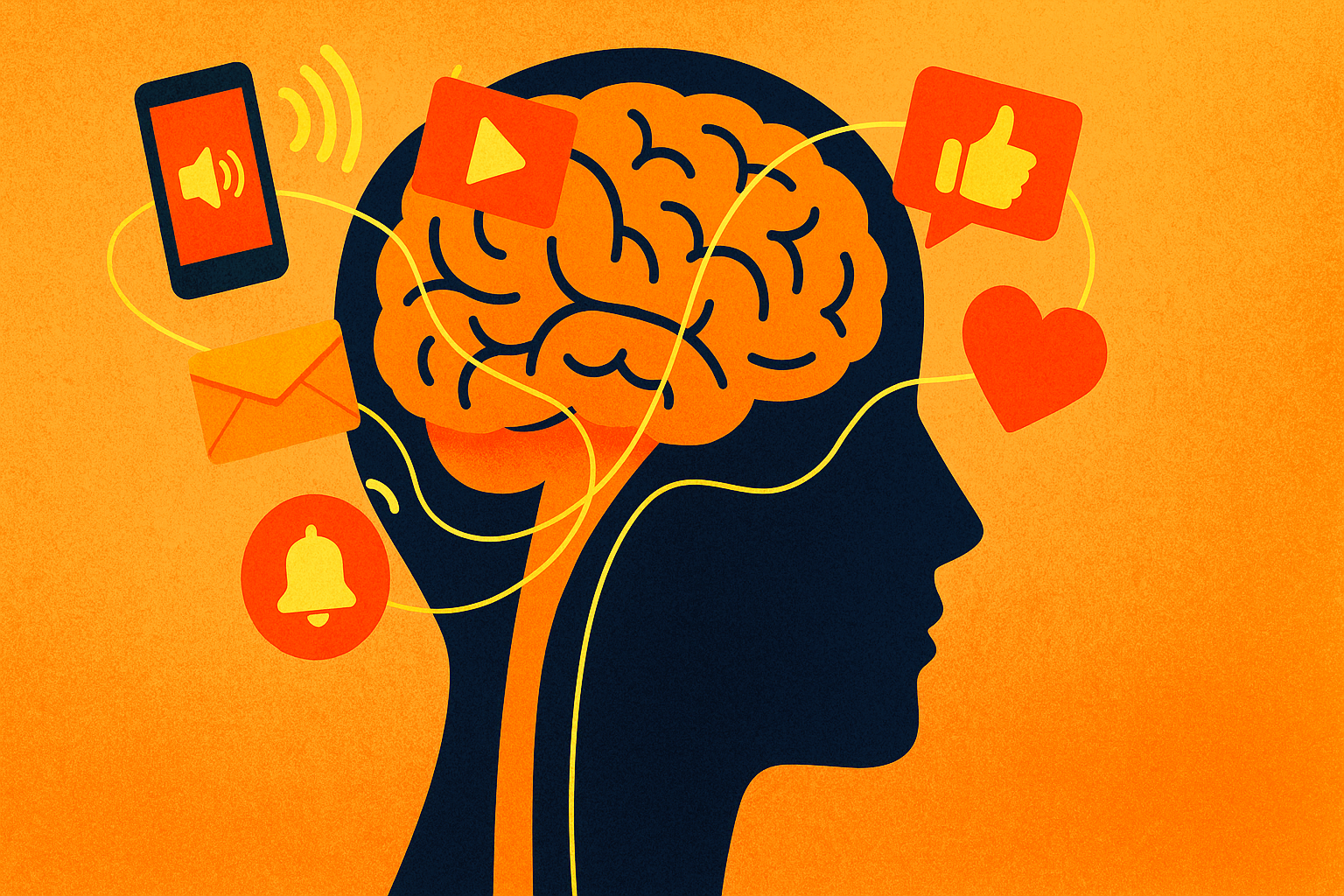
On the other hand, overstimulation is not a disorder—it’s a product of the times we live in. Notifications, multitasking, constant exposure to screens, and the search for instant gratification overload our brains. The result is a scattered mind that struggles to concentrate, but unlike ADHD, this can be reversed with lifestyle changes.
Examples of overstimulation in daily life:
- Checking your phone every two minutes, even without notifications.
- Trying to work while switching between five tabs and two apps.
- Feeling unable to finish a book or a movie without distractions.
The danger of self-diagnosis on social media
Social networks have created a boom of self-diagnoses. Many people assume they have ADHD simply because they can’t concentrate or procrastinate often. The risk? Labeling any difficulty with attention as ADHD, without considering other explanations such as stress, lack of sleep, or digital overstimulation.
While it’s positive that mental health is discussed more openly, we must remember that ADHD requires professional assessment. Not everything that looks like ADHD really is.
How to protect your attention in a world full of stimuli
If you feel your concentration is slipping, try these strategies:
- Digital hygiene: reduce unnecessary notifications and create moments without screens.
- Monotasking: do one task at a time, no matter how small.
- Mindful breaks: alternate periods of focus with short pauses to recharge your brain.
- Healthy habits: sleep, exercise, and nutrition directly influence attention.
These practices won’t “cure” ADHD, but they can make a big difference if your problem is overstimulation.
Final reflection
ADHD is a real and complex disorder, but not all distraction points to it. Sometimes, your brain is simply overwhelmed by the flood of modern stimuli. Learning to distinguish between one and the other helps you avoid unnecessary labels and, above all, gives you tools to recover your focus and mental clarity.
👉 On our YouTube channel, PsyLife, you’ll find a clear and visual video about ADHD, overstimulation, and how to take care of your attention in the digital era.