Cognitive Dissonance: Why Your Mind Justifies Contradictions

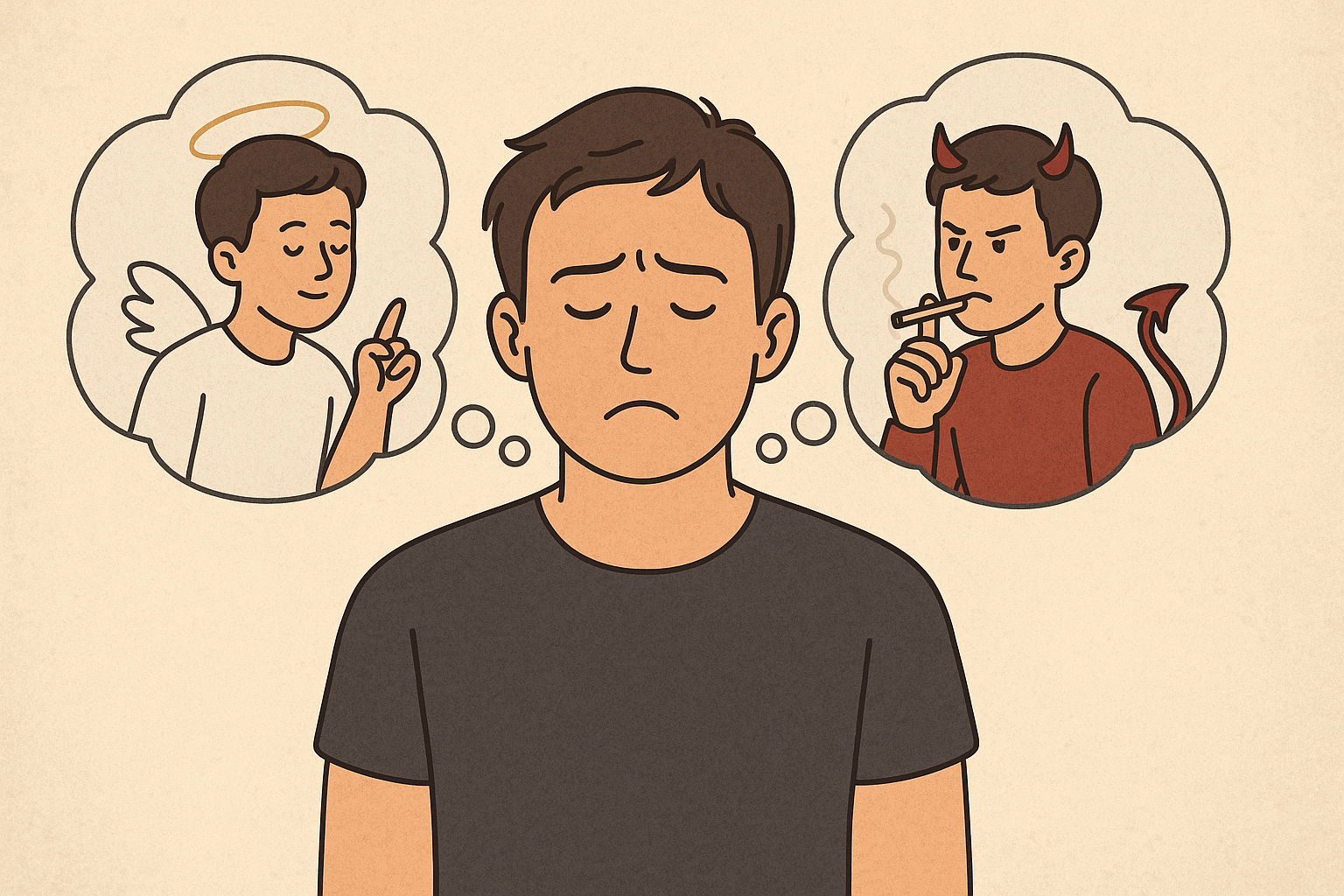
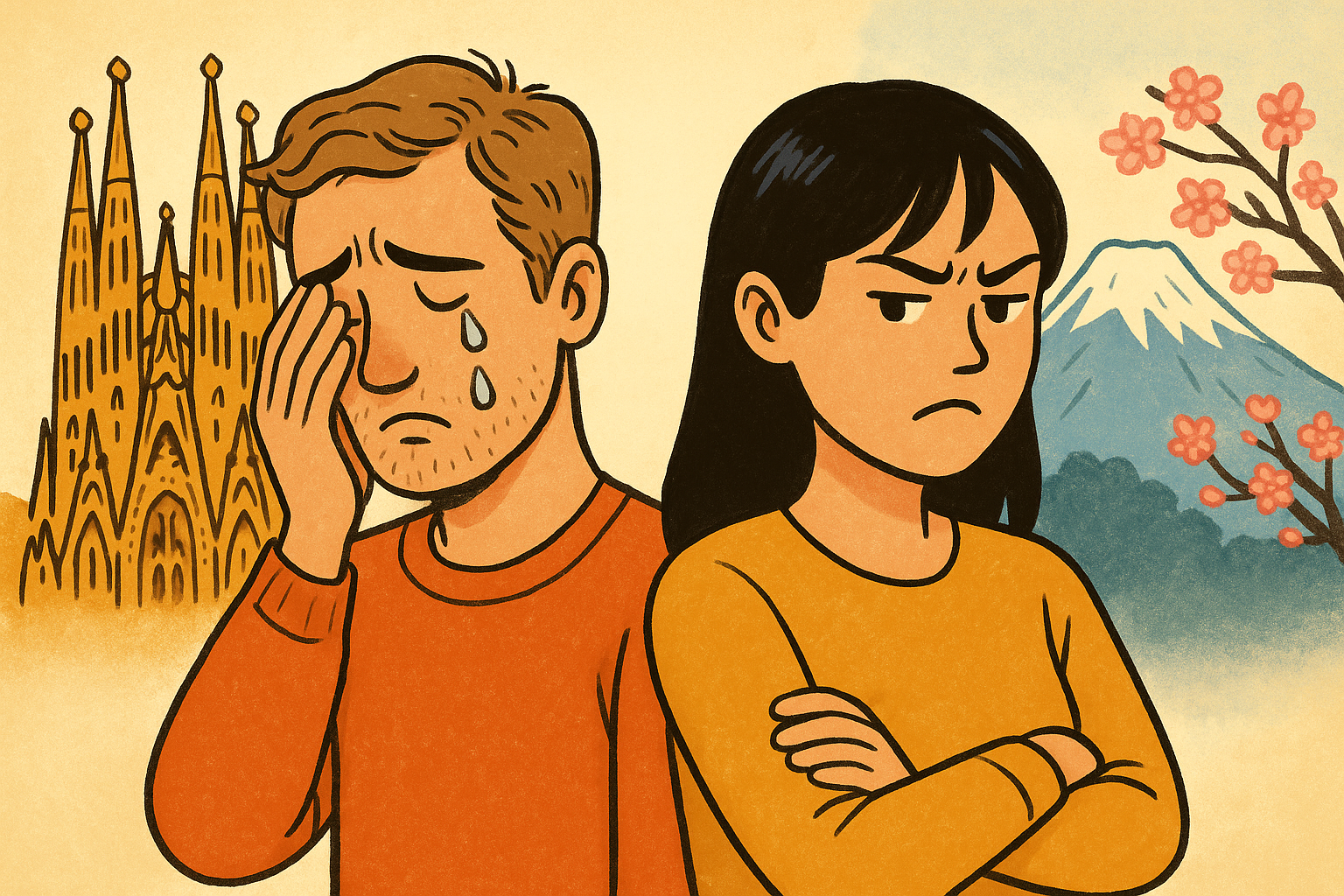
What Is Cognitive Dissonance? Have you ever felt that uncomfortable tension when your actions don’t match your beliefs? That conflict is called cognitive dissonance, a concept in social psychology that describes the clash between what we think and what we do. For example: you want to take care of your health, but you light up a … Read more

The Little Albert Experiment: How Fear Is Learned

Who Was Little Albert? In 1920, psychologist John B. Watson and his assistant Rosalie Rayner conducted one of the most shocking experiments in the history of psychology: the Little Albert experiment. Albert was a baby only nine months old, calm and fearless. He showed no fear of animals or furry objects. He could pet a … Read more

The Marshmallow Experiment: Can a Sweet Predict Your Future?

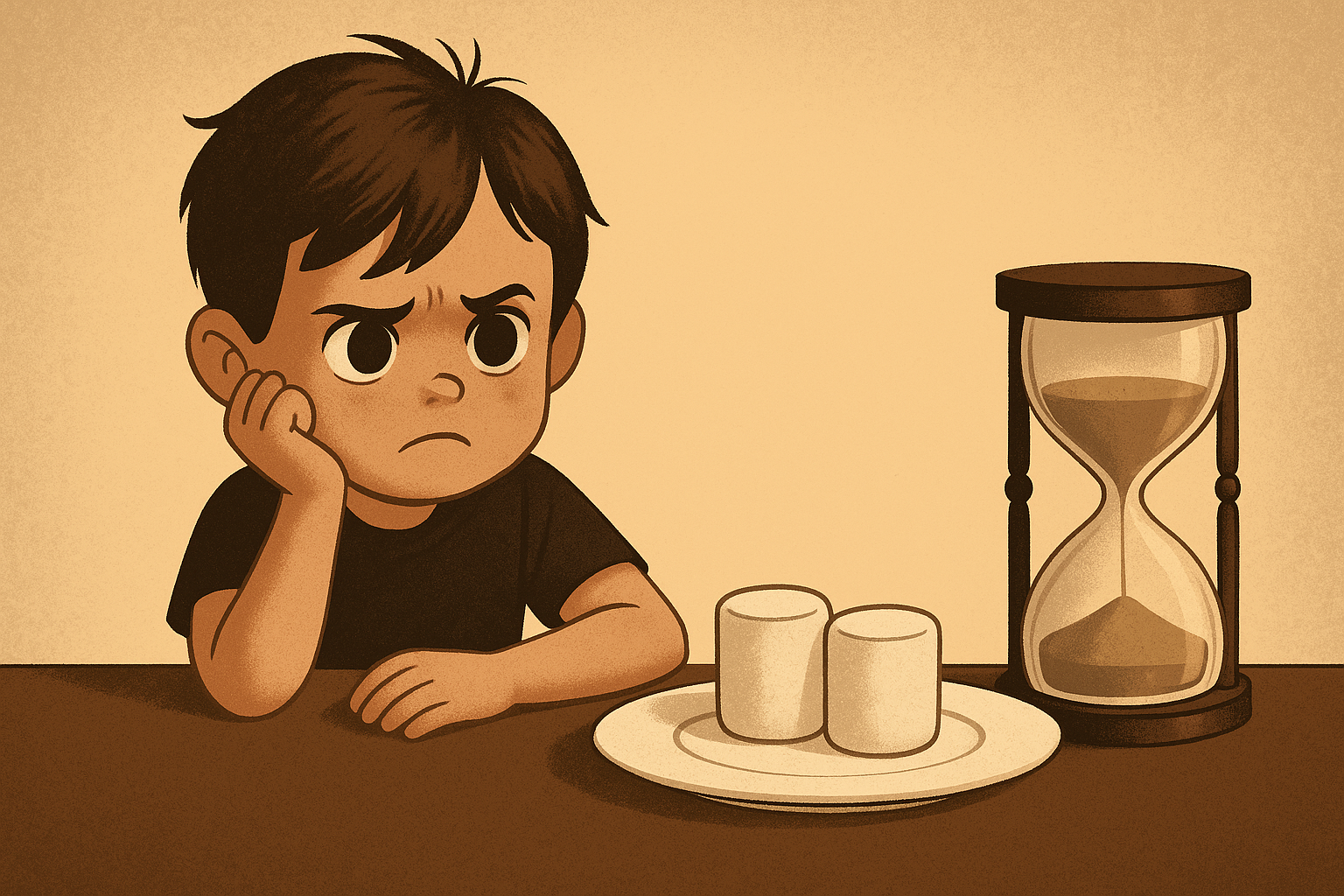
What is the Marshmallow Experiment Accept a small reward now or wait for a bigger one later? That simple choice, presented in an experiment with children and a marshmallow, became one of the most famous studies in psychology. Conducted in the 1960s by psychologist Walter Mischel at Stanford University, the Marshmallow Experiment aimed to measure self-control in … Read more

FOMO: Why We Constantly Fear Missing Out

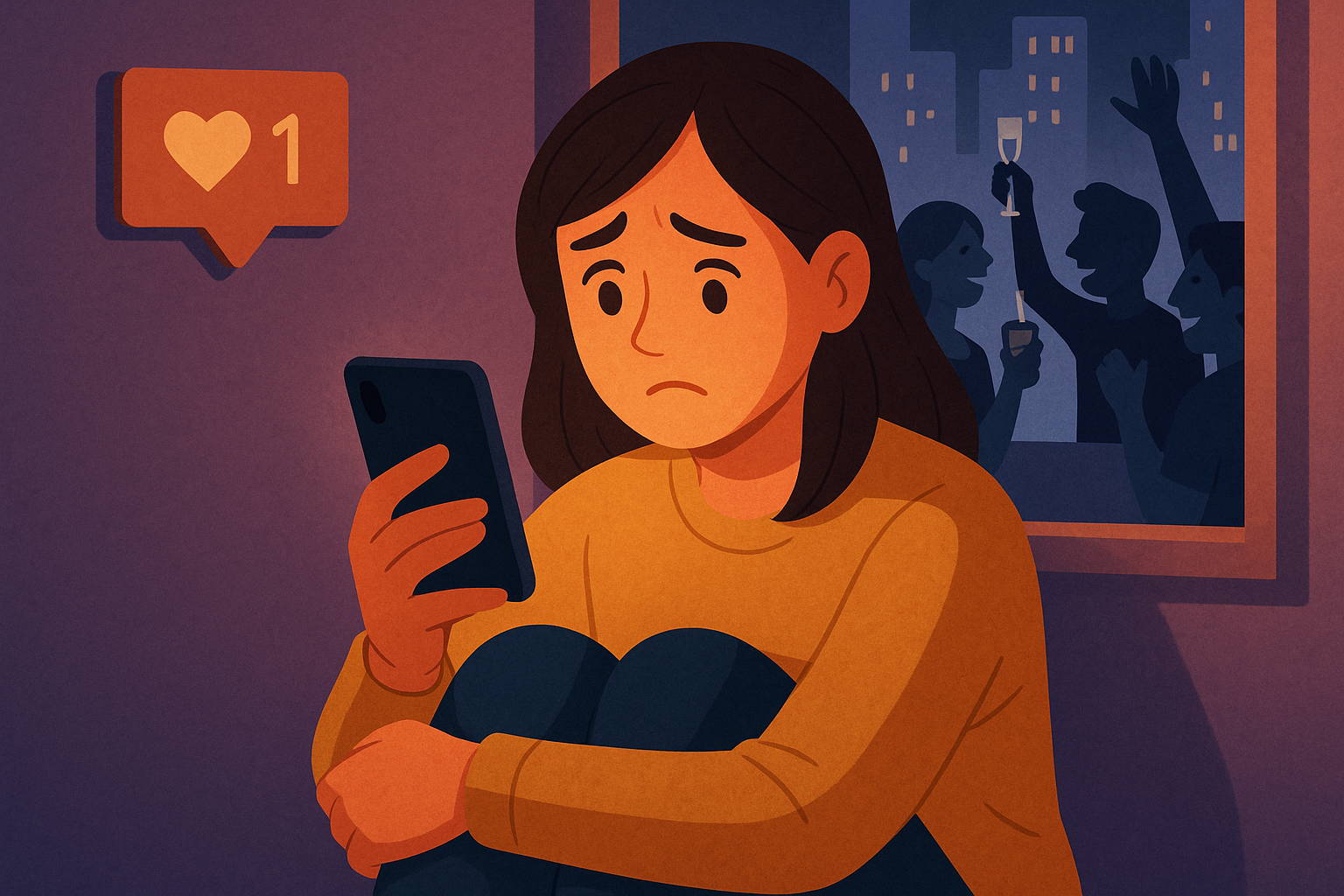
What FOMO Really Is Have you ever felt like you’re missing something important just because you’re not checking your phone? Or that everyone else is living amazing experiences while you’re just… here? That feeling has a name: FOMO – Fear of Missing Out. FOMO isn’t just a trendy expression. It’s a real form of anxiety that affects millions … Read more

Feeling Is Not Universal: How Culture Shapes Our Emotions

Have you ever wondered if sadness, anger, or joy mean the same thing everywhere in the world? Psychology shows us that emotions are not only biological, they are also culturally shaped. Are emotions really universal? Psychologist Paul Ekman discovered that certain facial expressions, like smiling or crying, are recognized worldwide. But researchers such as Hazel Markus, Shinobu … Read more

Critical Periods in Development: The Windows That Shape Who We Are

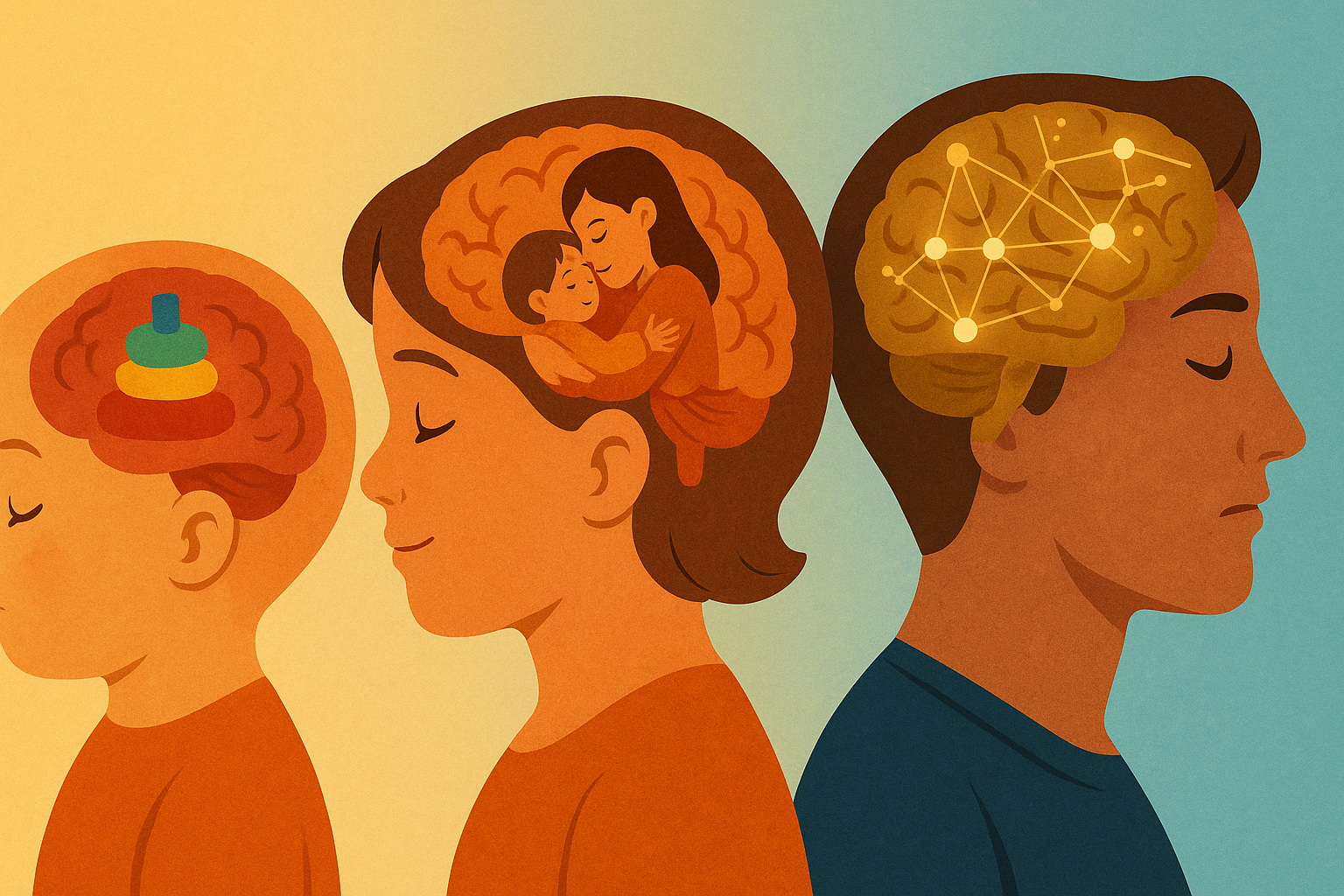
Have you ever wondered why some childhood experiences leave such a deep mark on us? Psychology and neuroscience tell us something fascinating: there are special windows in development — called critical periods and sensitive periods— in which the brain is especially open to learning. What is absorbed during those moments can last forever… and what is missed may … Read more