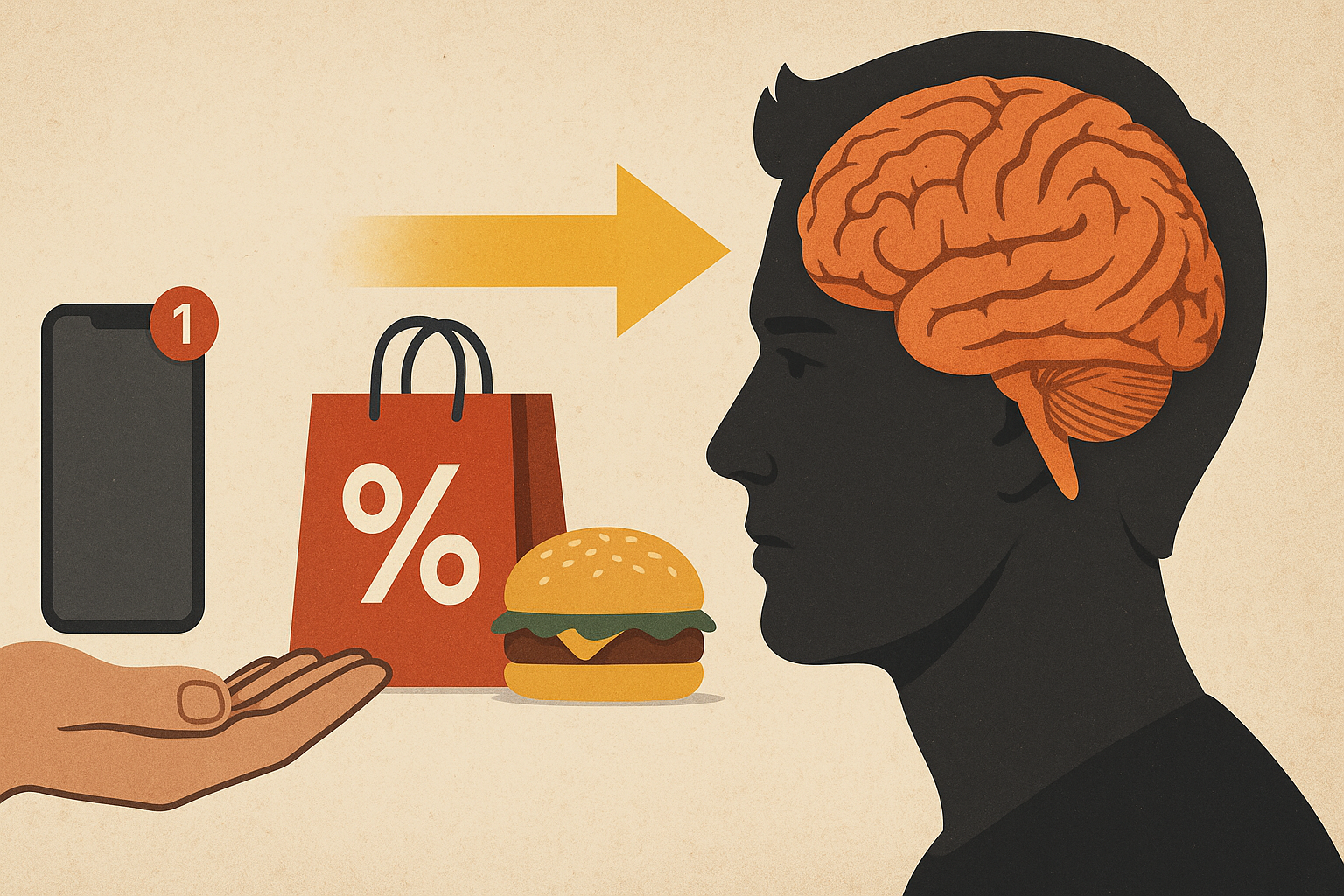
You Think You Decide… But Your Brain Gets Ahead
Do you believe you have full control over your choices? What to eat, who to love, how to spend your money… it all seems to depend on you. Yet science reveals something unsettling: many of those decisions were already conditioned before you became aware of making them.
A color in the supermarket nudges you to choose one product. A phone notification alters your plans. Even attraction toward someone may depend on invisible factors such as proximity, scent, or familiarity. And still, you feel like you chose “freely.”
Benjamin Libet’s Experiment: When the Brain Decides Before You
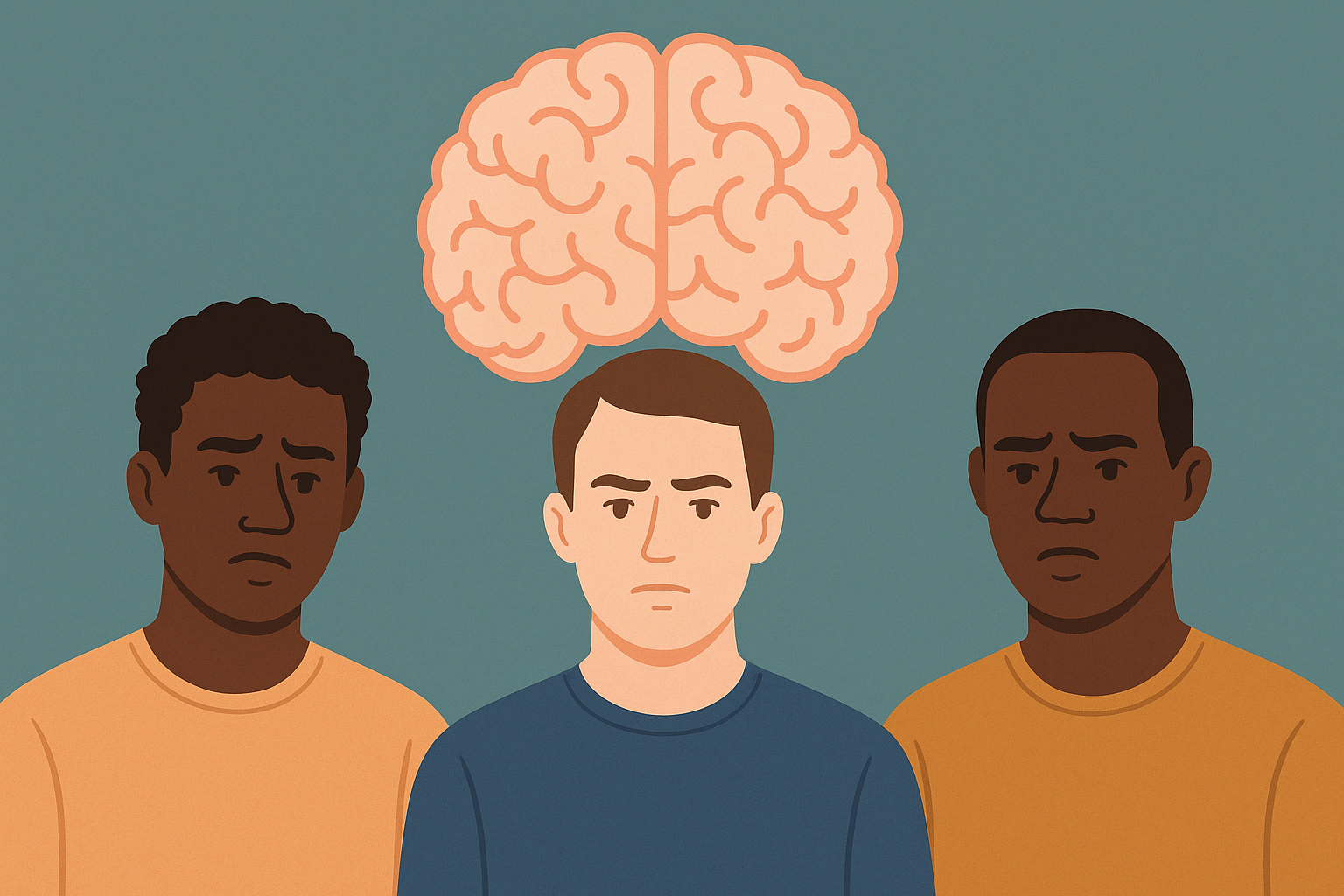
In the 1980s, neuroscientist Benjamin Libet conducted a groundbreaking experiment. He discovered that the brain showed electrical activity milliseconds before a person became aware of deciding to move their hand.
Decades later, more advanced studies went further: they could predict what you were going to choose several seconds before you knew it yourself. In other words, your brain had already made the decision, while you believed you were choosing in that very instant.
Everyday Examples: When You Decide “After”
Think about these situations:
- At a restaurant: you think you picked the burger because “you felt like it,” but in reality, the picture on the menu had already influenced your choice.
- On social media: you say you “decided to check for a moment,” but the notification was designed to trigger your dopamine.
- In love: you believe it was “destiny,” but studies show that physical proximity (classmates, neighbors) is one of the strongest predictors of attraction.
What’s fascinating is that many times we act first, and then our brain invents a story to justify it—like narrators of a story we don’t always write.
The Illusion of Freedom: Invisible Limits on Our Choices
Does this mean we have no free will? Not exactly. We make decisions, yes, but always within a framework built by our biology, experiences, and environment.
It’s like playing on a game board: you can move your pieces, but you can’t leave the rules of the game. Absolute freedom may not exist. What does exist is a range of action—narrower than we like to believe.
How We’re Manipulated: Advertising, Politics, and Social Media
Here’s the disturbing part: others know how to take advantage of these limits.
- Advertising uses colors, scents, and music to steer your purchases.
- Social media designs notifications to pull you back again and again.
- Politics crafts headlines and word choices to influence your opinions.
You think you decide, but often you’re just reacting to carefully placed stimuli.
So, What Does It Mean to Be Free?
Perhaps freedom doesn’t mean choosing without conditions (because they will always exist), but learning to recognize them. That conscious pause, that brief second when you ask:
“Is this decision really mine, or was it put in front of me?”
That small question can be the difference between living on autopilot and regaining a bit of control.
Final Reflection: Your Brain, Your Decisions
We may not be as free as we believe, but we can become less manipulable. And in a world competing for every second of your attention, that awareness is already a form of freedom.
👉 On our YouTube channel PsyLife, you’ll find a clear and visual video on how your brain decides before you do—and how to regain some control in a world full of stimuli.
💬 Share in the comments: do you feel you truly choose for yourself, or does your brain often decide first?